
Bike size charts
Frame size for adults and wheel size for kids, each with a calculator and the charts it is built from.
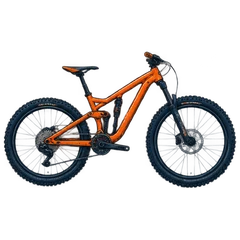
Bike sizing
Bike size chartRoad, gravel and mountain frame size from height and inseam
Kids bike size chartWheel size from inseam, height and age
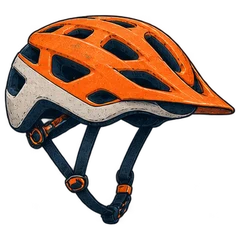 Bike helmet size chartHelmet size from head circumference, adult and kids
Which measurement to use
Inseam is the most reliable measurement for kids' bikes, and a useful second check for adults. Adult charts start from your height. If the two point to different sizes, take the smaller (BikeRadar). Measure your inseam with the book method: shoes off, book between your legs, floor to the top of the book.
Frame size, wheel size and helmet size are three different questions
Adults choose a frame size, usually in centimetres or as small to extra large. Children choose a wheel size, in inches, because kids' bikes are built around the wheel. Everyone chooses a helmet size from head circumference, and that has nothing to do with the bike. People mix these up because shops list all three in the same size-chart aisle, but a rider who is a medium frame can easily be a small helmet.
What a frame chart cannot tell you
A height-based frame chart assumes average proportions. Two people who are both 5'9" can have inseams that differ by two inches, and a long-legged rider will want a different top tube than a long-torso rider. That is why the bike size chart also checks your inseam against Trek's and Bianchi's charts, and why bike makers also publish reach and stack figures. The guide on finding your frame size explains standover, reach and stack and shows how to use them to decide between two neighbouring sizes.
Kids' bikes and growth
The common mistake with a child's first bike is buying one to grow into. A child who cannot touch the ground with both feet will not learn to brake and balance with confidence. The kids' bike size guide covers inseam measuring, how wheel sizes map to age, and how much room to leave for growth without making the bike unsafe now.
Helmets
A helmet that is one size too big can slide back on impact and leave the forehead exposed. A good fit is measured around the head about an inch above the eyebrows, then adjusted with the dial and straps. The helmet fit guide shows the adjustment steps and the situations where a helmet should be replaced, such as after a crash.