
Baseball size charts
Bat length from height and weight, and glove size from age and position, each with the chart it is built from.
Baseball sizing
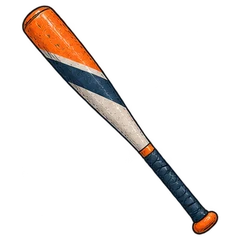 Baseball bat size chartBat length from height, weight and age; drop and certification explained
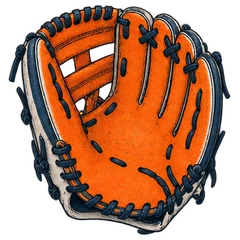
Baseball glove size chartGlove size by age and position, including catcher's mitts
Softball bat size chartFastpitch bat length from height and weight, with drop by age
Which to size first
Gloves depend on position, so decide where the player will play first. Bats depend on height and weight, so measure those. League rules decide the bat certification and drop you may use, so check them before buying a bat.
Bats: three numbers, one rule that overrides them
A bat has a length, a weight, and a drop, which is length in inches minus weight in ounces. A 31 inch bat that weighs 21 ounces has a drop of minus 10. Charts choose length from the player's height and weight, then the drop decides how heavy the bat feels. The rule that overrides all of it is the league's bat standard. Little League, Pony, Babe Ruth, high school and college each approve different bat markings, and a bat that is perfect for the player can still be illegal in the league. Check the league rulebook before you pay for a bat; the bat size guide lists the markings and where each applies.
Softball is not baseball with a different ball
Fastpitch softball bats run on a different drop range from baseball bats and use a different set of certifications. The softball chart is separate for that reason. A bat that fits a 13 year old baseball player by length may be the wrong choice for a 13 year old fastpitch player once drop and league rules come in.
Gloves: position first, then age
Infielders use smaller gloves so they can get the ball out quickly. Outfielders use longer gloves to reach. First basemen and catchers use mitts without the finger split of a regular glove. Youth players move up a size as their hand grows, and a glove that is too large is hard to close. The glove size guide also covers breaking in a new glove, which matters as much as the size.