
Kids bike size guide: wheel size by age, inseam and growing into a bike
Children's bikes are sold by wheel diameter, from 12 to 26 inches, and the right one depends mostly on the child's inseam. Age and height are rougher guides. Here is how Academy Sports, BikeRadar and Trek line the sizes up, how to measure, and what each says about buying a bike to grow into.
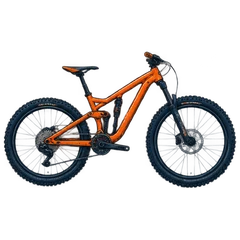
Why kids bikes use wheel size
Trek's kids buying guide says children's bikes are sized by wheel diameter, not frame size, in a range from 12 to 26 inches. Adult bikes are the other way round: they come in frame sizes, and Trek says a child of 13 or so often fits the smallest adult bikes. BikeRadar notes that kids bikes are sold by age or by wheel size depending on the brand, which is why one shop's "6 year old bike" is another shop's 18 inch.
All three sources warn that age is a weak guide because children grow at different rates. Trek says its age brackets tend to overlap and recommends a test ride at a local shop. Academy puts it bluntly: inseam is the most important factor for choosing wheel size.
Kids bike size chart: three sources side by side
Academy and Trek publish nearly the same table. BikeRadar lists minimums instead of ranges: the smallest inseam and height at which a child should move to that wheel size.
| Wheel | Academy: age / inseam | Trek: age / inseam | BikeRadar: age / min inseam / min height |
|---|---|---|---|
| 12" | 2–3 / 13–17 in | 2–3 / 15–18 in | 2+ / 12 in (30 cm) / 2'8" (88 cm) |
| 14" | 3–5 / 15–20 in | — | 3+ / 15 in (38 cm) / 3'3" (98 cm) |
| 16" | 4–6 / 16–22 in | 4–6 / 16–22 in | 4+ / 16 in (42 cm) / 3'5" (104 cm) |
| 18" | — | — | 5+ / 18 in (46 cm) / 3'8" (112 cm) |
| 20" | 5–8 / 19–25 in | 5–8 / 19–25 in | 6+ / 20 in (52 cm) / 3'11" (120 cm) |
| 24" | 8–11 / 23–28 in | 8–11 / 23–28 in | 8+ / 23 in (57 cm) / 4'2" (127 cm) |
| 26" | 10–12+ / 25 in and up | 10–12 / 25 in and up | 10+ / 25 in (64 cm) / 4'7" (140 cm) |
Academy and Trek have no 18 inch row, and Trek's page has no 14 inch row. The inseam columns also differ in how they are built: a range means "this wheel fits across these inseams", a minimum means "do not go below this". The site's kids bike size calculator reads the same sources.
Measuring inseam for a bike
Academy's method: have the child stand against a wall in their riding shoes, put a book or ruler between their legs snug against the groin, and measure from the ground to the top of the book. Do it three times. Wear the shoes the child will actually ride in.
Compare the number to the inseam ranges above, then check that the child can swing a leg over the bike easily. Another retailer, Tweeks Cycles, measures barefoot and calls inseam the most accurate way to pick a size, with height as a secondary check. Its published table puts the 14 inch wheel at an inseam of 35 to 45 cm, a little lower than the others, which shows how much the sources disagree at the edges.
Standover and seat height
Standover height is the distance from the ground to the frame tube between the child's legs. Academy says the child's inseam should be at least equal to the bike's standover height. Trek asks for about one to two inches between the child and the top tube when they stand over the bike with their feet on the ground. REI, in its mountain bike fit advice for kids, suggests 2 to 4 inches of standover clearance.
Seat height changes with what the child is riding. Academy's guidance:
- Balance bike: about 1 inch above the inseam.
- Bike with training wheels: 0 to 3 inches above the inseam.
- Big-kid bike without training wheels: level with the inseam, so the feet are flat on the ground when stopped.
- Experienced rider: 2 to 4 inches above the inseam, on tiptoes at a stop.
Trek adds that beginners need more bend in the knees, and that you should raise the seat toward full leg extension as they get comfortable pedalling.
Balance bikes and training wheels
Academy recommends balance bikes for roughly ages 2 to 4 and says they build balance and coordination before a pedal bike. Both Academy and BikeRadar put them on 12 inch wheels; BikeRadar's minimum inseam is about 12 inches. Trek says the child's feet should be flat on the ground when seated, since they push the bike along with them, and that balance bikes typically have no brakes or a coaster brake.
Trek's note on training wheels: they suit children who are too big for a balance bike or need more time to build confidence. With them fitted, only the toes should touch the ground when seated. Trek says the emphasis should be on balance, not pedalling, and that the training wheels should come off once the child is comfortable.
Growing into a bike: the sources disagree
Academy takes the generous view. It says to pick a bike that fits now and has room to grow, notes that seats usually adjust so wheel size matters most, and says that a child who falls between sizes can take the bigger wheel if they can still reach the ground with their toes. It suggests adjustable seat posts and removable training wheels for budgets that have to last.
BikeRadar says the opposite. Buying a size up so the child grows into it is tempting, but "that's not optimal": an oversized bike can make a child nervous, cost them confidence and make it easier to overbalance and fall. Trek agrees, saying a bike that is too big can slow learning and hurt confidence. Both mention trade-up programmes, where the shop discounts a larger bike when the child outgrows the first one.
One workable reading of the three: the "grow-into" allowance in Academy's advice is a matter of a few inches of inseam at a boundary, not a whole wheel size. Tweeks makes a related point for 12 to 20 inch wheels, saying the bottom of the inseam range matches the wheel size. A child with a 14 inch inseam suits the 14 inch bike. Matching the nearest wheel size leaves some room without putting the child on a bike they cannot control.
A worked example
A 6 year old is 44 inches tall with a 20 inch inseam in shoes.
- Academy: 16 inch covers inseams to 22 and heights 41 to 48 inches. 20 inch starts at an inseam of 19 but a height of 45 inches. She fits both on inseam, and her height lands in the 16 inch band.
- BikeRadar: the minimum inseam for a 20 inch wheel is 20 inches, and for an 18 inch is 18 inches. She is at the 20 inch minimum exactly.
- Trek: 4 to 6 years suggests 16 inch; 5 to 8 suggests 20 inch.
She is on the boundary. Put her on both bikes. If she can swing a leg over the 20 inch, plant the balls of both feet with the seat lowered, and reach the brake levers, buy it. If she is on tiptoe or cannot start from a stop easily, the 18 inch (where one is made) or the 16 inch is the safer bike. Her age says nothing the inseam has not already said.
Moving up to adult sizing is covered in the frame size guide, and a helmet that fits matters at every stage: see the bike helmet fit guide.
Questions
What size bike does a 4 year old need?
Academy lists 14 inch wheels (ages 3 to 5) and 16 inch (ages 4 to 6) for a 4 year old. BikeRadar starts 16 inch bikes at an inseam of 16 inches. Measure the inseam and use that.
Is a 20 inch bike too big for a 5 year old?
Academy puts 20 inch wheels at ages 5 to 8 and an inseam of 19 inches or more. BikeRadar's minimum is a 20 inch inseam and age 6 or older. A 5 year old with an inseam under 19 inches is too small for the 20 inch.
What should the seat height be?
It depends on the stage. For a big-kid bike without training wheels, Academy says level with the inseam so the feet are flat when stopped. Experienced riders can have it 2 to 4 inches above.
When does a child move to an adult bike?
Trek says that above 12 years or about 4'8" you can start looking at adult bikes, which are sold by frame size rather than wheel size. BikeRadar's 26 inch minimums are a 25 inch inseam and a height of 4'7".
Related tools
Kids bike size chartWheel size from inseam, height and age
Bike size chartAdult road, gravel and mountain frame size
 Bike helmet size chartHelmet size from head circumference